


A note from Garry Kasparov: Today is my birthday—and this month also marks one year of The Next Move. In our first year, we put out 300+ pieces of content in the past year from more than 35 of the most talented and thoughtful writers I know. Nothing would make me happier than seeing you join our premium subscriber community.
To celebrate, I’m offering 30% off of premium subscriptions now through the end of April. Supporters like you make everything we do possible: from changing the conversation here on The Next Move to delivering life-saving aid in Ukraine through our publisher, the Renew Democracy Initiative.
And as a thank you, we’re continuing to offer exciting perks to our premium subscriber community, including invitations to exclusive Zoom calls. Stay tuned for details on our next call, featuring former White House attorney Ty Cobb, coming up on Thursday, April 30!
Garry Kasparov is the founder and chairman of the Renew Democracy Initiative, which publishes The Next Move.
In Hungary, Péter Magyar won. Viktor Orbán lost. Who says we can’t get good news anymore?
So convincing was Magyar’s victory that Orbán hastily conceded. We’ll have to wait until the new Hungarian parliament is seated to fully exhale, but it seems the worst scenarios I and others laid out may not come to pass.
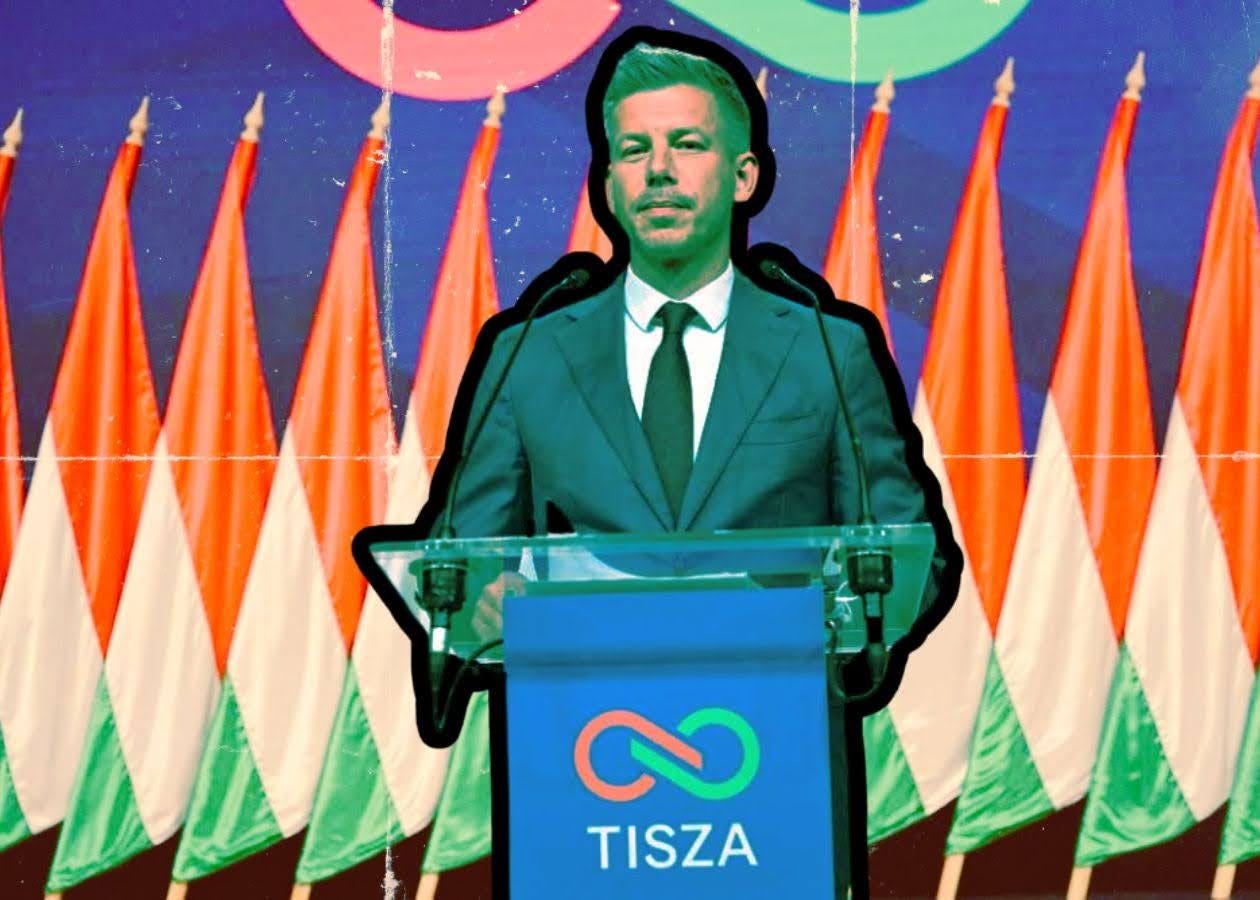
For now, it might be useful for Americans to assess who Prime Minister-designate Péter Magyar is, and why he won.
Magyar is a conservative of a type that seems near extinction among US politicians these days. Many of his policy positions are genuinely right of center (more on that in a moment), but he also respects the rule of law and the tenets of liberal democracy.
As I wrote on Friday, Viktor Orbán’s government did a lot to stunt Hungarian politics by tightening the screws on independent media and civil society. Yet Orbán’s successive victories were ultimately courtesy of an ineffective, unpopular opposition.
The 45-year-old Magyar, meanwhile, came up in Orbán’s own Fidesz party before breaking off two years ago to join another faction, Tisza.
Magyar led with a sincere push to limit the powers of government after 16 years of Orbán. He is seeking changes to the constitution that will limit the prime minister to two terms (for eight years total, as in America). He says he will prioritize the rule of law.
Magyar also ran on a platform of traditional social norms and strict limits on immigration. He’s even a little cooler on Ukraine than I’d personally like (though it’s hard to be worse than Putin-crony Orbán).
Agree or disagree with the new Hungarian leader’s positions, but they’re responsive to the desires of a right-leaning electorate.
ICYMI: Tune in to the latest episode of the Older/Wiser podcast

The incoming prime minister’s take on immigration is especially interesting because immigration was among Kamala Harris’s weakest issues with voters in 2024. While the Republicans’ advantage on immigration and the border has shrunk amid inhumane ICE-led crackdowns, the GOP’s advantage over the Democrats nevertheless remains.
Now, I’m not suggesting that Democrats try to outrun Stephen Miller to the right on immigration— which would be pretty hard to do without putting on a brown shirt. But they should internalize the public’s desire for a sensible approach to the southern border and a welcoming-but-orderly immigration process that isn’t weighed down with jargon about “no human being being illegal.”
I’ll give credit where it’s due: It was Bernie Sanders, last fall, who said that “if you don’t have any borders, you don’t have a nation.”
There’s a middle lane in politics, and in America, it’s wide open. The Republicans— deeply in thrall to Trump and the far-right—probably won’t step in to fill the gap, meaning it’s up to the Democrats. If neither side pivots to the center, the Democrats will find out the hard way—as Péter Magyar’s more left-leaning predecessors in the Hungarian opposition learned—that in most societies, the default settings are right of center.


I think a lot of Americans of the democratic persuasion will misinterpret what this election meant in both Hungary and how it translates to American. It wasn’t usa democratic liberals. It was a vote for the rule of law. For less corruption and more euro and less Russia. It wasn’t liberal American style progressivism. As you say still very anti immigration but even Denmark is tough on immigration and while not pro Ukrainian they want the 20 B euro 💶 and said will not block an EU loan 💸 if not participate. So a good day for Hungary and the world
Happy Birthday!